
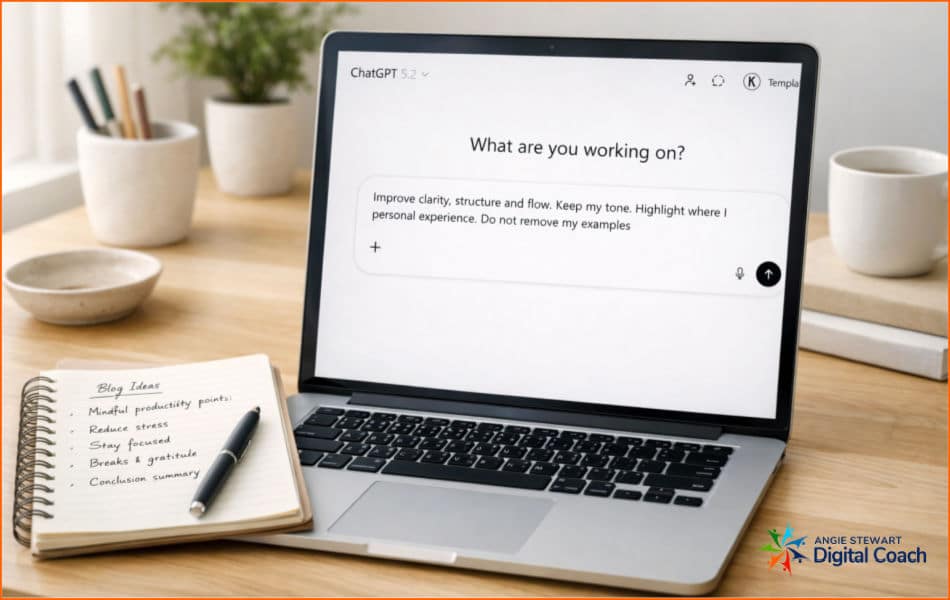
Blogging has changed significantly in the last couple of years. Large Language Models (LLMs) like ChatGPT, Gemini and Perplexity are becoming the new “search engines”, summarising information from across the internet instead of just listing links.
If your blog isn’t written with AI search in mind, it becomes far less likely that anyone will see it, even if the content is brilliant.
The good news? You don’t need to be technical, an SEO expert, or a fast writer to make your content visible. You simply need to understand what AI tools look for, and how to structure your blog so it’s easy for both people and AI to read, understand and trust.
In this beginner-friendly guide, you’ll learn a simple, repeatable way to write blogs that are clear, helpful and human, and more likely to be picked up by Google and AI search tools. Whether you’re a coach, creator or small business owner, this approach will help you write smarter, not harder.
Key Takeaways
- AI search tools like ChatGPT, Gemini and Perplexity now summarise information rather than listing links.
- Clear, structured, human-led blogs are far more likely to be used in AI generated answers.
- A simple blog structure with headings, lists and a quick answer section helps AI interpret your content.
- Your real-life experience is essential – it’s the part AI cannot replicate.
- AI is powerful for planning and editing, but your insights and examples are what make the content trustworthy.
Table of Contents
- Quick Answer
- What AI Search Actually Is and How It Uses Your Blog Content
- How AI Decides What to Use
- SEO is Not Dead – It’s Changed)
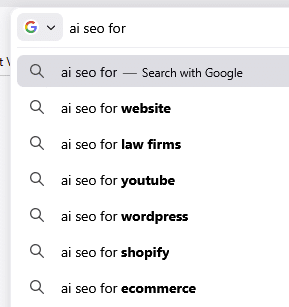
- Get Clear on Search Intent (Before You Write)
- Do You Still Need Keywords?
- Use an AI-Friendly Blog Structure
- Add Your Human Expertise
- Use AI as Your Assistant, Not Your Author
- Quick Optimisations to Help AI and Google Find Your Blog
- FAQs
- Next Steps: How to Get Support with AI-Friendly Blogging
Published: 27th January 2026
Quick Answer
To help your blog perform better in both Google and AI search, focus on clear structure, simple headings, a quick answer near the top and examples based on your own experience.
AI tools prefer content that is well organised, easy to summarise and grounded in real human expertise. AI can help you plan and tidy your blog, but your insight is what makes it trustworthy.
What AI Search Actually Is and How It Uses Your Blog Content
AI search works differently from traditional search engines. Instead of giving you a list of links, tools like ChatGPT, Gemini, Perplexity and Bing Copilot summarise information from multiple sources and present it as a direct answer.
People now type things like:
- How do I write a blog that AI can find?
- What is the best way to grow my coaching business?
- How do I make a quilted Christmas stocking? (a common question in my Craft Making Ideas business)
They expect an immediate, clear explanation.
Your blog becomes part of the information these tools draw from when it is clear, structured and trustworthy.
How AI Decides What To Use
AI search tools prioritise content that includes:
This is where human-led content becomes essential.
SEO Is Not Dead – It Has Changed
You still need relevance, clarity, authority and consistency. What’s changed is the focus.
Instead of asking: Have I used the right keywords?
The better question is:
Does my blog give the clearest, most helpful answer?
Get Clear On Search Intent (Before You Write)
Search intent simply means:
What is the real question behind the search phrase?
You can check intent quickly by:
Do You Still Need Keywords?
Lightly, yes.
It’s about using the language your audience naturally uses, so your content to resonates when they read it. Avoid jargon and focus on clarity.
Use an AI Friendly Blog Structure
You can use this repeatable structure for almost every AI-optimised blog:
Add Your Human Expertise
AI cannot add:
- personal stories
- client examples
- your opinions
- your lived experience
- your unique teaching style
These are human elements that set your blog apart and help build trust.
You can include:
- before-and-after scenarios
- mistakes to avoid
- tips from real client work
- short personal examples
- your simple explanation of a concept
These small additions make your blog more valuable and more discoverable.
Use AI As Your Assistant, Not Your Author
An AI tool is helpful for brainstorming, outlining, restructuring, refining and suggesting FAQs.
A simple workflow:
- Plan your blog using AI
- Add your human insight
- Ask AI to tidy, not rewrite
Watch out for AI fingerprints such as long em dashes, overly smooth sentences or repeatition. Replace them with your natural tone and straightforward punctuation.
Your voice leads.
AI supports your clarity.
Quick Optimisations To Help AI and Google Find Your Blog
Frequently Asked Questions
Do I still need SEO?
Yes. SEO is still important, but it now works differently. Instead of focusing on keywords or complicated tactics, modern SEO is about clarity, structure and showing your experience. These signals help Google and AI search tools understand your topic and trust your content. Think of SEO as making your blog easier for readers and search tools to recognise, rather than something technical you need to master.
How long should a blog be?
Most AI friendly blogs fall between 800 and 1,500 words, but but clarity matters more than length.
Can AI write the whole blog?
It can, but I strongly advise against it. AI-only content often feels generic and lack trust signals. The best approach is to let AI help with planning, outlining and editing, while you provide the examples, stories and insights that make the blog feel real and relatable.
How often should I publish?
Consistency matters more than frequency. For most small businesses, one well structured, helpful blog each month is enough. Updating older content also counts as publishing, so regular refreshes can boost visibility too.
What content does AI prefer?
AI tools prefer content that is clear, structured and easy to summarise. That means short paragraphs, descriptive headings, lists, steps, FAQs and simple explanations. They also look for evidence that a human wrote it, such as examples, personal insights and practical tips from experience.
How do I know if my blog is AI friendly?
Check for these features:
- A quick answer or key highlight section near the top
- Clear H2s and H3s using words that match search intent
- Lists or steps that make the content easy to scan
- Your personal experience, stories or examples
- A short summary
- An FAQ section
- An author bio that shows your experience and builds trust
If your blog includes these, it is likely to perform well in AI search, because it is easy to understand, trustworthy and clearly written for a real person.
Next Steps: How To Get Support With AI-Friendly Blogging
You don’t need to do all of this at once.
If blogging feels inconsistent, heavy or unclear, it’s rarely a writing problem. It’s usually a clarity problem.
Before AI tools can truly support your content, you need to be clear on:
- who you’re speaking to
- what they’re searching for
- the problems you solve
- the message you want to be known for
That clarity is the foundation of AI-friendly blogging.
Free 10 Minute AI Blog Planner
If you want to take a simple next step, start here.
The 10-Minute AI Blog Planner helps you:
- choose a focused blog topic
- structure your content clearly
- keep your writing human-led and easy to understand
It’s designed to be practical, not overwhelming.
If you are unsure what you need, let’s chat. A conversation is often all you need to get moving.
Author Bio
Angie Stewart is a digital marketing specialist who helps coaches, consultants and service-based small business owners attract clients through human-led, AI-supported content and simple clarity-first marketing strategies.




Leave A Comment